


 877-999-8489

 September 29th, 2026
 August 26th, 2026
 July 31st, 2026
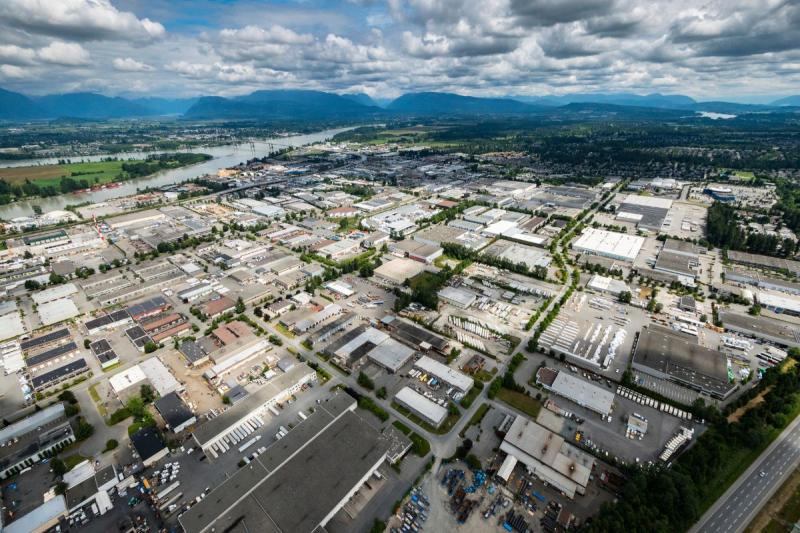
In British Columbia’s Lower Mainland, traffic congestion is no longer just a commuter headache, it is a line-item expense. As the primary Pacific Gateway for Canada, the region faces a unique crisis as our booming e-commerce sector collides with some of the most constrained geography in North America.
For modern logistics, the old mantra of "location, location, location" has evolved. It’s no longer about being the closest to the water. It’s about being on the right side of the bottleneck.
The "Bridge Trap" and Geographic Choke Points
Vancouver’s geography, squeezed between the mountains, the Pacific, and the U.S. border, forces goods through a handful of over-capacity "valves." For warehouses located in the urban core or near the immediate port terminals, every shipment is a gamble against the Fraser River crossings.
The Alex Fraser Bridge and the Massey Tunnel act as systemic "on/off" switches for the regional supply chain. When these links are compromised, drayage fees skyrocket, fuel is wasted in idle, and "Just-in-Time" delivery becomes "Maybe-Tomorrow."
This has rendered map distance irrelevant. A warehouse 10km from a destination might take two hours to reach, while a site 40km away, situated past the major choke points, can guarantee a 45-minute arrival time.
Why "Further" is Often "Faster"
The chronic unpredictability of the inner-city core has physically reshaped the industrial market, driving a massive migration eastward. Specialized nodes in Langley and the Fraser Valley are no longer considered "outlying" areas, they are now the strategic high ground.
By moving to Langley, businesses are effectively "bypassing the gridlock" before it starts. This location strategy prioritizes Reliability of Flow over Proximity to Pier.
The new key metrics of Warehouse selection success in the current market is measured by how effectively a site can mitigate "congestion risk." Which means decisions are now driven by four key factors:
-
Bypassing the Choke Points: Positioning facilities east of the major bridges (Alex Fraser/Massey) to ensure unobstructed access to the rest of BC, the Interior, and the U.S. border.
-
The "Back-Door" Advantage: Utilizing the Highway 1 corridor and the South Fraser Perimeter Road to maintain movement when central routes are paralyzed.
-
Labor Predictability: Securing a workforce that lives in the Valley and doesn't have to cross a bridge to get to work—reducing turnover and late starts.
-
Total Cost of Movement: Calculating the "True Cost" of a shipment, where the savings in time and fuel from a reliable Langley-based route far outweigh the cheaper rent of a "trapped" urban location.
Navigating the New Reality
For businesses operating in the Lower Mainland, the "center of gravity" has shifted. The goal is no longer to be as close to the Port as possible, but to be as far from the traffic traps as necessary.
By strategically selecting sites in the Fraser Valley, companies are not "moving away" from the action, they are moving toward a more reliable, efficient, and profitable future.
In the battle against Vancouver’s gridlock, the winner isn't the one who is closest to the start line; it’s the one with the clearest path to the finish.


