


 877-999-8489


 September 29th, 2026
 August 26th, 2026
 July 31st, 2026
2026
Best Practices for Safe and Efficient Cross Dock Operations
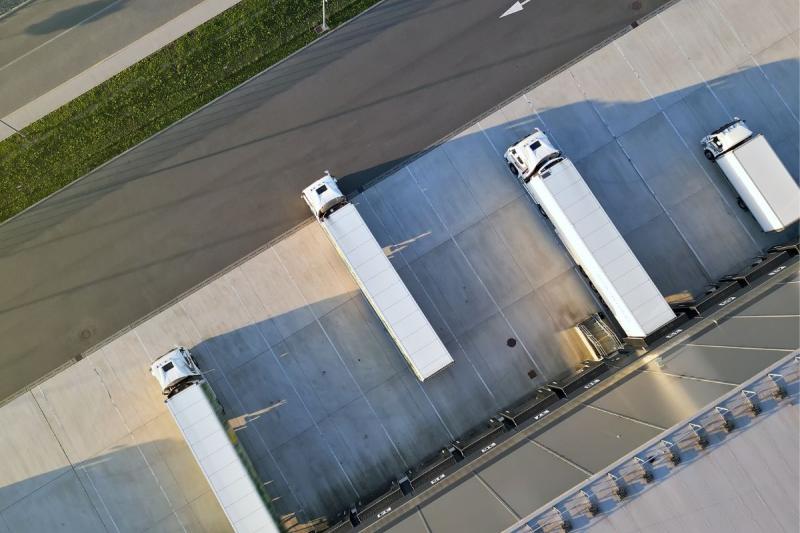
In the modern supply chain, every hour a product sits in a warehouse is an hour it is not making money. Traditional warehousing models often act as a brake on the system, holding goods in long term storage and adding unnecessary costs.
Cross docking is the high-speed alternative. It is a logistics strategy where products move directly from an inbound truck to an outbound truck with almost no time spent in storage.
When done correctly, this process creates a lean, fast, and highly profitable operation. It reduces the need for expensive warehouse space and cuts down on labor costs. However, because the pace is so high, it requires a very specific set of rules to keep things moving safely and accurately.
Rule 1: Design a Layout That Feeds Direct Movement
The physical shape of your facility is the first step in a successful operation. In traditional warehousing, you want deep racks for storage. In a cross dock, you want as many doors as possible.
Because of this, most elite facilities use an I shaped or T shaped layout. This design maximizes the "dock to dock" surface area and minimizes the distance a forklift has to travel from one side to the other.
Plus, a narrow building is often better than a square one. When the building is narrow, the inbound doors on one side are just a short trip away from the outbound doors on the other. This prevents the "clutter" that happens when pallets have to be moved across a massive floor.
You must also consider your yard space. If your trucks cannot move freely outside the building, they will back up. You need enough room for trailers to be staged so that a fresh load is always ready to take the place of an empty one. This "outside the four walls" planning is just as important as the floor plan itself.
Rule 2: Establish a Digital Handshake with Advanced Shipping Notices
A cross dock should never be surprised by a delivery. If a truck shows up and the dock crew does not know what is inside, the system breaks down.
Therefore, cross-docking efficiency begins with data. The most important tool here is the Advanced Shipping Notice (ASN).
This is a digital document sent by the supplier before the goods even arrive. It tells your team exactly what is on the pallet, the weight, the dimensions, and most importantly, where it needs to go next. It also assists with:
- Pre-sorting: Use the ASN to assign a staging lane before the truck arrives.
- Labor Planning: If you see a massive volume coming at 2:00 PM, you can move staff from other areas to handle the surge.
- Accuracy: Scanners can verify the inbound goods against the ASN instantly, catching errors before they enter your system.
Without this digital handshake, your dock will inevitably face bottlenecks and confusion.
Rule 3: Implement Strict Gate and Dock Scheduling
In a high velocity environment, time is the most precious resource. You cannot have five trucks arrive at once if you only have two open doors. This leads to idling costs and frustrated drivers. A strict scheduling system is a best practice that ensures a steady flow of freight.
Each carrier should have a specific window for arrival and departure. If a truck misses its window, it goes to the back of the line. This might seem harsh, but it is the only way to maintain the rhythm of a cross dock.
To implement an effect gate and docking schedule, make sure to account for:
- Buffer Zones: Always keep one or two doors open for emergencies or unexpected delays.
- Driver Communication: Use a digital check in system where drivers get a text message when their door is ready.
- Turnaround Metrics: Track how long it takes for a truck to enter the gate, unload, and leave. If this number is climbing, you have an efficiency leak.
Rule 4: Master the Flow of Inbound Inspections
Just because you are moving fast does not mean you can ignore quality. If you ship a damaged pallet to a customer, the speed of the cross dock no longer matters because you have lost that customer's trust. The inbound inspection is your first line of defense.
As soon as the trailer door opens, the dock lead should perform a visual sweep. They are looking for shifted loads, crushed boxes, or signs of moisture.
Once the unloading begins, every pallet should be scanned. This scan should trigger a "green light" if the item is destined for immediate outbound shipping or a "yellow light" if it needs further inspection.
By catching problems at the inbound stage, you prevent bad inventory from clogging up your outbound lanes and causing expensive returns later.
Rule 5: Ensuring Outbound Load Integrity and Security
The final step in the process is getting the goods onto the outbound truck. This is where many operations get sloppy. Because they are in a rush to meet a departure time, they might load a trailer haphazardly.
This is a mistake. A poorly loaded trailer will lead to damaged goods and potentially dangerous driving conditions for the carrier. So make sure you are mindful of the following:
- Load Bars and Straps: Always use securement tools to prevent the load from shifting during transit.
- Weight Distribution: Ensure the weight is evenly distributed across the axles of the trailer.
- Seal Verification: Once the truck is loaded, it should be sealed immediately, and the seal number should be recorded in the system for security and insurance purposes.
By finishing the process with the same level of care that you started with, you ensure that the efficiency of your cross-dock results in a happy customer at the other end.
Following These Best Practices Give You Competitive Edge in Your Supply Chain
Cross docking is more than just a logistical trick. It is a way to make your entire business more responsive to the market. By reducing the time, it takes for goods to travel from the supplier to the customer, you improve your cash flow and lower your overhead.
In our opinion, a well-run cross dock is the hallmark of a world class logistics operation. And in a world that is always moving faster, cross docking is the best way to make sure your business stays ahead of the curve.


