


 877-999-8489


 September 29th, 2026
 August 26th, 2026
 July 31st, 2026
2026
What Beauty Product Companies Should Look For in a Vancouver Warehousing Partner
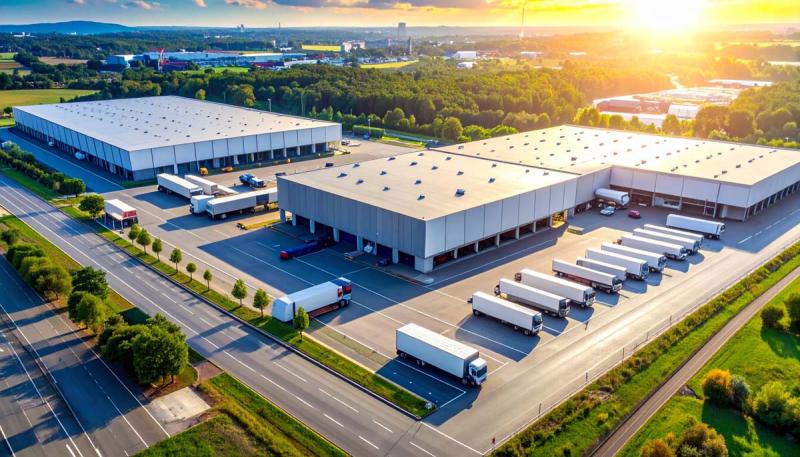
Beauty and personal care is one of the more demanding categories a warehouse can handle, and it rarely gets treated that way. The product is small, light and high value, which makes it look easy to store and makes almost every risk worse.
If you are a beauty brand choosing a Vancouver-area warehousing partner, these are the things that actually matter.
Temperature affects the product more than people expect
Cosmetics are formulated chemistry, and heat degrades them. Emulsions separate. Actives including vitamin C, retinol and many peptides lose potency. Waxy products soften or bloom. Fragrances shift. Pressed powders crack when they warm and cool repeatedly.
Freezing is equally damaging in the other direction, particularly for water-based formulations and anything in glass. A Lower Mainland warehouse without climate control subjects your inventory to both extremes across a single year.
Ambient temperature storage in a controlled facility is usually sufficient for the category, but ambient in a purpose-built facility and ambient in an uninsulated building are very different things. Ask which one you are being quoted.
Batch codes and expiry are not optional in this category
Cosmetics carry batch codes and period-after-opening designations for regulatory reasons, and Health Canada’s cosmetic regulations sit behind that. If a formulation problem surfaces, or a raw material supplier issues a notice, the question is immediately which batches were affected and where they went.
A warehouse capturing batch codes and expiry at receiving, tracking them through storage, and recording them on outbound shipments can answer that in minutes. One tracking only SKUs cannot, and the difference is whether you withdraw a batch or a product line. The discipline here is the same discipline that food grade warehousing requires, which is a reasonable proxy for whether a facility takes traceability seriously at all.
Security, because this is high value per pallet
A pallet of serum is worth a great deal more than a pallet of most consumer goods, and beauty products are easy to resell. That makes the category a target in a way that bulk commodities are not.
Worth confirming: controlled access to storage areas, camera coverage of dock and staging areas, cycle counting frequent enough to catch discrepancies while they can still be investigated, and scan-confirmed movements so inventory changes are attributable.
Presentation matters because customers see it
Beauty is a category where the unboxing experience is part of the product. A dented carton or a scuffed outer arriving at a consumer does measurable damage to a brand built on how things look.
That puts a higher standard on handling and on pick and pack than most categories require. It also means the packing materials, the way items are protected in transit, and the consistency of presentation are worth discussing rather than assuming.
The retail side has its own requirements
Most beauty brands sell through more than one channel, and the requirements diverge sharply.
Direct-to-consumer needs single unit picking, careful packing and returns processing. Retail needs case and pallet configurations, compliance labelling, and adherence to routing guides that carry chargebacks when missed. Sephora, Shoppers, Walmart and the rest each have their own specifications.
Running both out of one inventory pool is the efficient answer, but only if the warehouse can genuinely handle both dispositions.
Launches, influencer kits and seasonal peaks
Beauty runs on launches and on gifting seasons, which means volume is never flat. A brand can ship in a week what it normally ships in a quarter, then return to baseline.
That argues for a partner with flexible capacity rather than a fixed lease, and for one that can handle kitting and assembly. PR boxes, influencer mailers, gift sets and value packs all need assembly work that is closer to light manufacturing than to warehousing. This is where a partner experienced with the beauty sector saves you from explaining the requirement from scratch each time.
Imports and the port
A large share of beauty product sold in Canada arrives by sea, much of it through the Port of Vancouver. A Lower Mainland facility positioned near the port shortens the drayage leg, and handling container destuffing at the same facility that will store and distribute the product removes a handling step on goods where every touch is a risk to presentation.
Talk to us
Pacific Coast Distribution has been a family operated logistics provider since 1999, with 60,000 square feet in Langley and a second facility in Calgary, HACCP and SQF certified, CTPAT and PIP registered. We handle beauty alongside food, beverage, healthcare and CPG. Call 1-877-999-8489 or request a quote.


